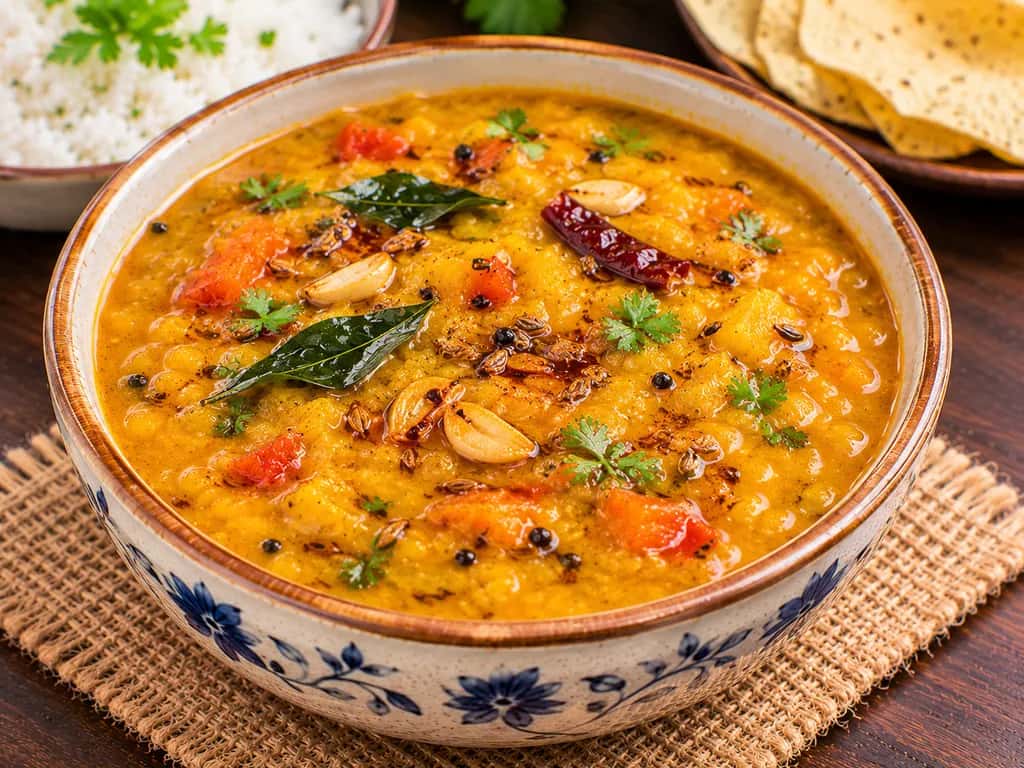

Deciding what to cook when you want hearty, comforting food often leads straight to Parsi home cooking. Parsi kitchens balance sweet, sour, and savoury notes with plenty of texture, creating meals that feel festive yet deeply familiar. Whether you are stepping into this cuisine for the first time or looking for mid-week inspiration, home-style Parsi cooking offers clear, satisfying options for every meal of the day.
From quick egg preparations paired with crunchy potato sticks to slow-simmered lentil stews and steamed seafood, the recipes are structured around wholesome staples like lentils, coconut, and meats. This guide walks you through the core dishes cooked in Parsi households, how their nutritional profiles compare, and simple ways to start bringing these meals together in your own kitchen.
If you want to explore the wider repertoire of everyday mains and festive preparations, you can browse through our complete collection of Parsi recipes.
Morning Classics: Eggs with Crunchy Salli
Breakfast in a Parsi household frequently revolves around eggs cooked alongside savoury bases. A beloved technique involves pairing eggs with salli, which are fine, crisp potato sticks that provide texture.
- Salli Omelette: This classic café special brings together fluffy beaten eggs mixed with chopped onions, green chillies, and juicy tomatoes. Topped with crunchy salli, it delivers a lively hint of spice and a crisp bite. Home cooks often serve it alone with warm pav bread or as part of a complete morning spread. One serving provides about 220 kcal, 13 g protein, 12 g carbs, 14 g fat, and 1 g fibre.
- Sali Par Eedu: Another morning favourite where eggs are cooked directly over a bed of crispy potato sticks and seasoned tomatoes. In Gujarati-influenced Parsi phrasing, "sali" refers to the potato sticks while "eedu" means egg. A single serving delivers about 280 kcal, 18 g protein, 20 g carbs, 15 g fat, and 4 g fibre.
Both options are quick to assemble when you want a high-protein breakfast that skips the usual morning routine.
The Dhansak Tradition: Lentils, Spices, and Meat
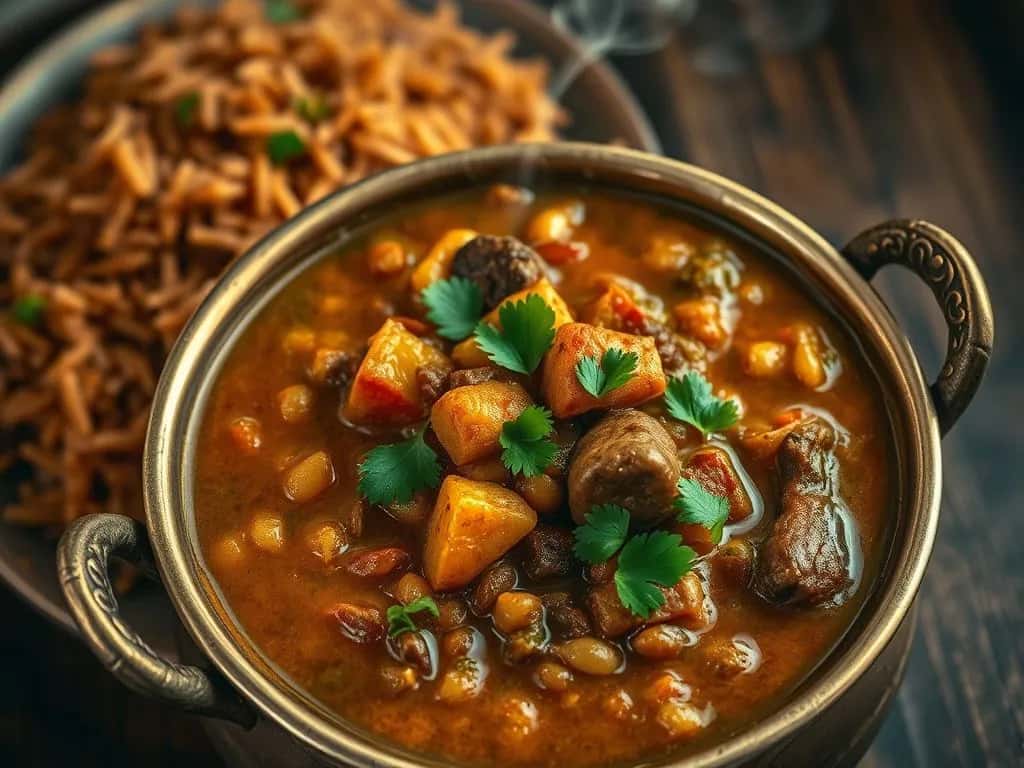
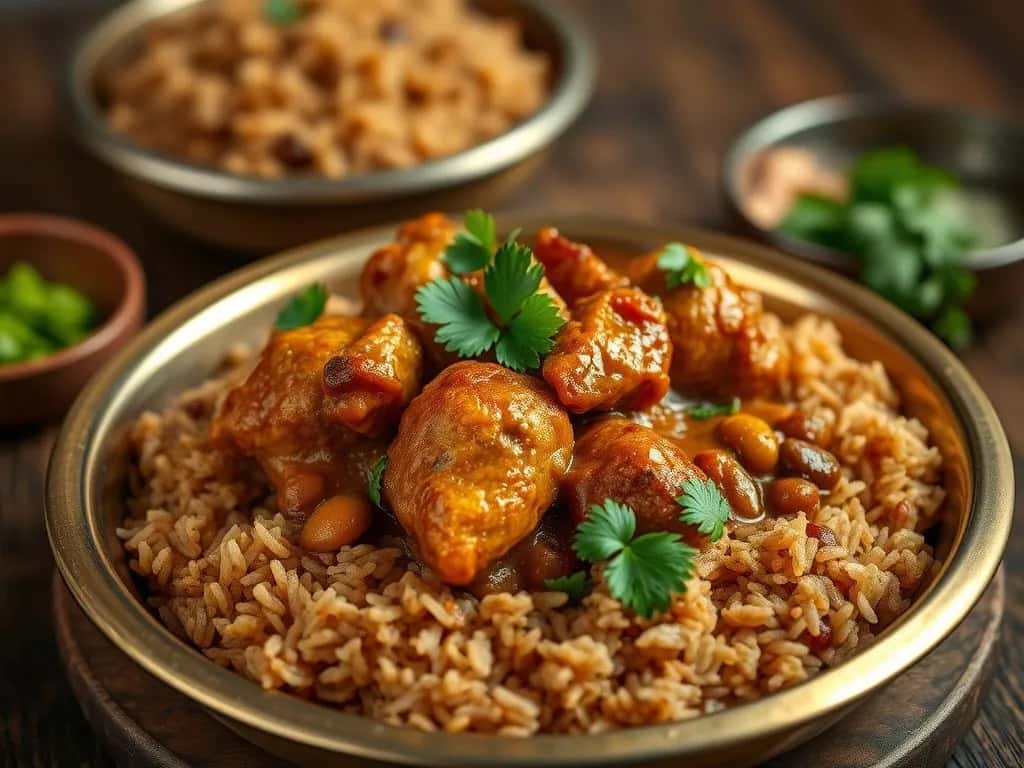
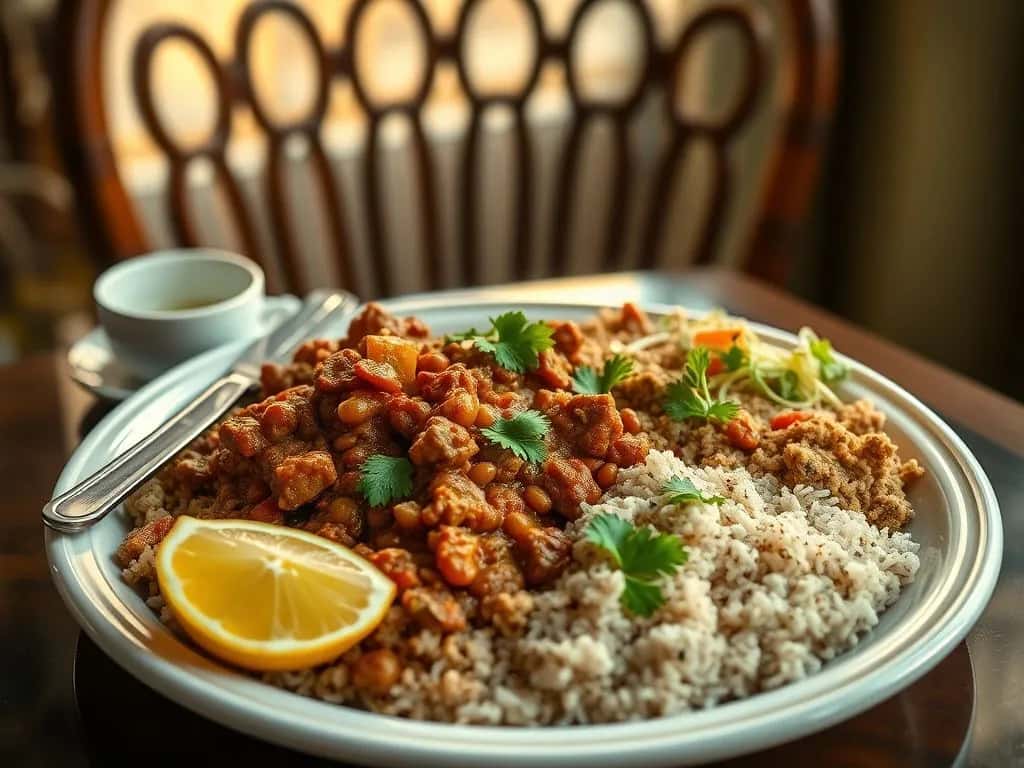
No survey of Parsi food is complete without dhansak. Praised as Sunday comfort food across family tables and Mumbai cafés, dhansak brings together lentils, tender meat, and vegetables into a thick, deeply spiced stew typically served alongside caramelized brown rice.
- Dhansak: The classic version blends lentils, mutton, and mixed vegetables into a rich, savoury-sweet stew. It provides about 390 kcal, 22 g protein, 42 g carbs, 14 g fat, and 8 g fibre per serving, making it a balanced, hearty lunch option.
- Chicken Dhansak: Made with chicken pieces simmered alongside lentils and pumpkin puree, this version yields a sweet-sour gravy that pairs perfectly with caramelized brown rice. It contains about 375 kcal, 27 g protein, 38 g carbs, 14 g fat, and 6 g fibre per serving.
- Parsi Dhansak: Prepared with mutton and lentils, this snack-sized or light meal variation features an aromatic 19-ingredient masala seasoned with dried limes from Iran. Traditionally slow-cooked for 7 hours in earthen pots, one serving provides about 280 kcal, 28 g protein, 30 g carbs, 10 g fat, and 8 g fibre.
Coastal and Tangy Seafood and Chicken Lunches
Beyond dhansak, lunchtime in Parsi cooking highlights fresh seafood, coconut, and natural sours like kokum.
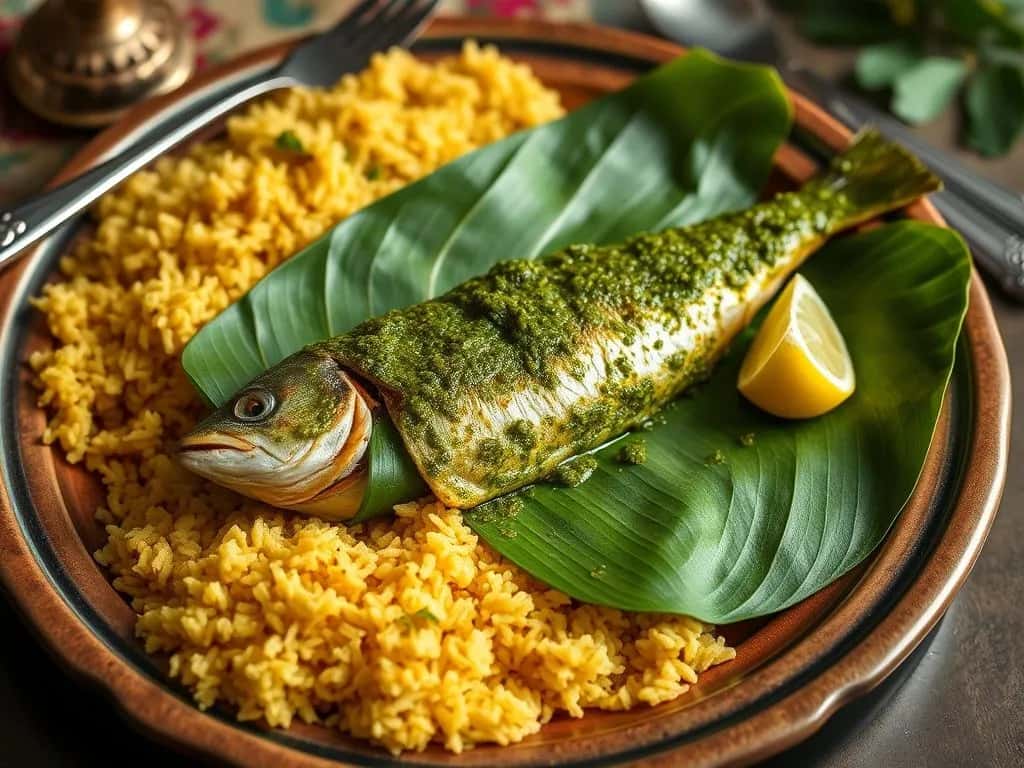
- Patra Ni Machi: In this famous delicacy, fish is coated in a fragrant coconut chutney and wrapped neatly in banana leaves before being steamed. The parcel locks in moisture and infuses the fish with subtle leaf aromas. A serving offers about 300 kcal, 25 g protein, 10 g carbs, 16 g fat, and 3 g fibre.
- Parsi Style Chicken with Mahiva: Built around chicken simmered with coconut and tangy kokum, this dish offers a bright, balanced sauce that enlivens an afternoon meal. Each serving provides about 420 kcal, 35 g protein, 15 g carbs, 25 g fat, and 5 g fibre.
Light Vegetarian Sides and Everyday Dinners
Parsi home menus are not exclusively meat-driven; simple vegetarian dishes and dal preparations round out the dinner table.
- Dahi Ma Bheeda (Dahi Hindi): Combining crispy fried okra with cooling yogurt and tempered mustard seeds, this dish features a refreshing sweet-sour profile. At about 160 kcal, 8 g protein, 15 g carbs, 8 g fat, and 7 g fibre per serving, it serves as a light midday meal or side dish.
- Toor Nee Dal: An essential evening staple made with yellow toor dal simmered down and seasoned with tangy tamarind. Providing about 220 kcal, 12 g protein, 30 g carbs, 8 g fat, and 10 g fibre per serving, it offers generous dietary fibre for a comforting dinner.
- Badam Nu Gosht: When you want an indulgent dinner main, this Gujarati-named specialty—meaning "almond meat"—features tender lamb simmered in a gravy thickened smoothly with almond paste. It supplies about 400 kcal, 35 g protein, 10 g carbs, 25 g fat, and 3 g fibre per serving.
Practical Cooking Tips for Parsi Food at Home
- Keep potato sticks ready: Store crisp store-bought salli in an airtight tin so you can quickly scatter them over morning eggs without frying potatoes from scratch.
- Wrap tightly for steaming: When preparing fish in banana leaves, warm the leaves slightly over a gentle flame so they become pliable and do not tear during wrapping.
- Balance sweet and sour: Ingredients such as tamarind, kokum, and dried lime are central to these recipes; adjust their sourness carefully against cooked pumpkin or caramelized rice to achieve that signature Parsi balance.